

RESEARCH • BUILD • MEASURE
A landscaping website should do more than look green and list services. It should help bring in work that fits the crew, the route, the season, and the kind of jobs the company actually wants.
I approach that differently because I know landscaping from both sides. I build websites and local SEO strategies, but I also do landscape work myself and manage the landscape needs of a 32-unit commercial property. That changes how I judge a lead, a service page, and a service area.
This page explains how I build local SEO and websites for landscaping companies across Kansas without treating the industry like a generic keyword list.
A landscaping company can get more leads and still make its week worse. Distance, job type, property condition, crew time, recurring value, and the size of the project all matter. The website should help shape demand instead of treating every phone call as equally useful.
The word “lead” can hide a lot. A weekly mowing account close to an existing route is not the same business opportunity as a one-time cleanup across town. A commercial maintenance prospect is not the same buyer as a homeowner planning a larger landscape project. The same problem shows up across home-service businesses, where service area, urgency, job value, and the kind of work a company actually wants can matter just as much as the number of leads coming in.
A report can say a campaign produced ten inquiries and still tell you almost nothing about whether those inquiries were good. Landscapers have to think about drive time, crew capacity, property condition, recurring value, equipment, season, and whether the requested service is even something they want more of.
That is why I do not start with “more leads.” I start with what a good job looks like for the business.
Service pages should make clear what the company actually wants to sell. Local pages should support the areas worth driving to. Calls to action should fit the service. A recurring maintenance customer may need a fast quote or property review. A larger design or installation buyer may need to see completed work, understand the process, and spend more time comparing options.
The site should help sort demand before the phone rings.
Search visibility matters, but the business still has to make money after the click. Landscaping SEO should help attract the right work in the right places, not just inflate a monthly lead count.
I am not learning landscaping from an agency persona or a keyword tool. I have done the work myself, and I manage the ongoing landscape needs of a 32-unit commercial property. I also maintain my own residential outdoor space, where landscaping has to coexist with a pool, fencing, utilities, drainage, access, and regular maintenance.
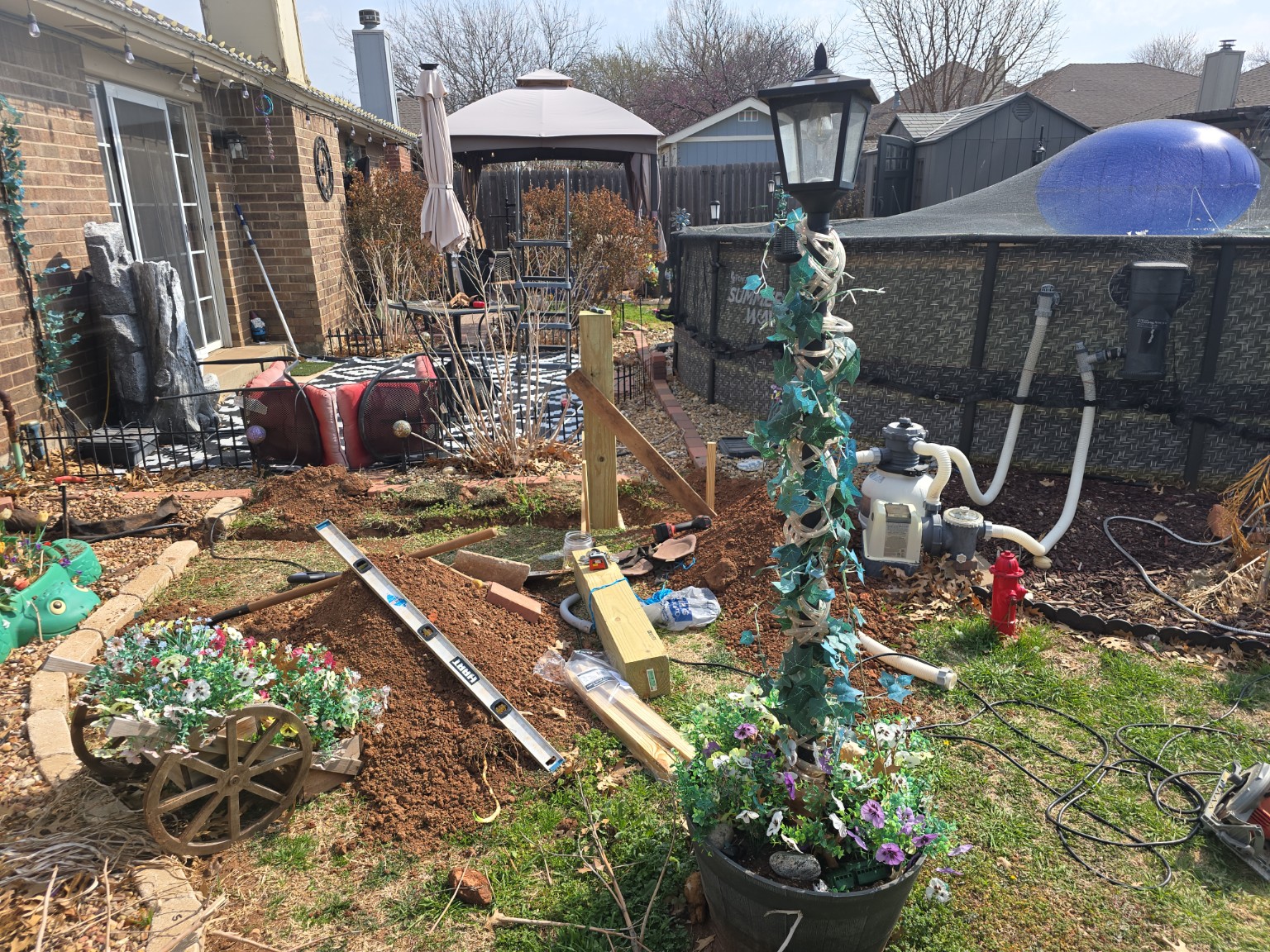
A property that has been maintained consistently is not the same job as one that has been ignored. Overgrowth, weeds, edging, shrub condition, debris, access, and the surrounding improvements all change what the work takes.
That same realism belongs in marketing. A website should not promise every service to every property if the business does not want every kind of job.
I look at the site through two lenses. First, can a customer understand what you do, where you work, and why they should trust you? Second, does the website make sense operationally for the company that has to estimate, schedule, drive to, and complete the work?
That is where hands-on experience becomes useful. The marketing should fit the operation instead of creating work the operation does not want.
Saying “I know landscapers” is easy. The useful question is whether that knowledge changes the pages, the service-area plan, the calls to action, and the way lead quality is measured. It should.
A landscaping company may offer several kinds of work that customers buy very differently. Recurring lawn or landscape maintenance, seasonal cleanups, commercial property care, design, hardscaping, planting, drainage work, irrigation, and larger installation projects should not automatically be squeezed into one vague services page.
Someone searching for recurring maintenance is usually trying to solve a different problem than someone researching a major landscape project. Their budget, urgency, questions, and proof needs are different.
If one page tries to rank for everything from mowing to retaining walls, both Google and the customer get a weaker picture of what each service actually means.
The strongest services deserve focused pages with real detail, useful photos, clear service-area language, and internal links that help visitors move between related work. Web design should support the sales process, not just decorate it.
The exact page structure depends on the company. A maintenance-heavy business should not copy the website architecture of a design-build contractor just because both use the word landscaping.
Clear service pages give customers better answers and give search engines cleaner signals. More pages are not automatically better. Better-defined pages are.
Kansas-specific landscaping content should actually change because it is in Kansas. K-State Research and Extension notes that cool-season grasses are more common in the state, while warm-season grasses such as zoysiagrass, bermudagrass, and buffalograss are also used because of their heat and drought tolerance. Maintenance timing changes with the turf and the season.
Kansas stretches across different growing conditions, water availability, soils, city types, and customer expectations. A page that could replace “Kansas” with any other state has not earned the local relevance it is claiming.
Seasonal content, service pages, FAQs, and local pages should reflect the work people actually need in the market being served. Kansas turf guidance is one useful source. K-State notes different fertilization timing for fescue and bluegrass compared with bermudagrass, zoysiagrass, and buffalograss, and recommends watering deeply and less often based on turf need.
That kind of detail belongs where it helps a customer understand the service. It should support the page, not turn a landscaping company website into an extension manual. K-State Research and Extension is a better source for Kansas turf facts than generic agency filler.
Kansas should not appear only in the title tag. The market, the service mix, the seasonal questions, and the supporting information should make the page useful to a Kansas customer.
Google Search Console began showing landscaping-related Kansas queries on Stamm Web Creations before this dedicated industry page existed. That matters because the page is being built in response to observed search demand, not because an editorial calendar needed another vertical.
It would be easy to make separate versions for Wichita landscapers, Topeka landscapers, Hutchinson landscapers, and every other Kansas market by swapping city names. That is not the strategy.
A statewide industry page should own the landscaping-specific intent. Kansas city pages should continue to own their local web design and SEO intent. They can support one another through contextual internal links without becoming copies.
The structure starts with the Kansas web design and SEO hub, then connects this industry page to relevant city pages and to local SEO services. Search Console tells us whether landscaping demand keeps appearing and which markets deserve deeper attention later.
That creates a useful network instead of a pile of near-duplicate landing pages.
I will not promise a number-one ranking, a fixed lead count, or a specific revenue result. Search performance depends on the market, competition, site history, reviews, links, technical condition, content, and the strength of the business itself.
I can show the work, explain the reasoning, measure what changes, and use real search data to decide what deserves attention next. You can see that approach in my local SEO case studies.
The best landscaping website is not the one with the most pages or the prettiest stock photos. It is the one that makes the business easier to understand, attracts work the company actually wants, and gives customers enough proof to take the next step.
The right strategy depends on the kind of landscaping business you run, the work you want more of, and the markets you actually want to serve.
If your landscaping company is getting traffic but not enough good-fit calls, or if the site does not clearly separate the work you want from the work you would rather avoid, I can take a look.
I work directly with Kansas small businesses on web design, local SEO, content, and ongoing website support. No account-manager handoff. No generic landscaping package. The first step is understanding the business behind the website.
Search performance can vary based on competition, seasonality, website history, content quality, technical issues, reviews, backlinks, market demand, and changes in Google search results. Landscaping businesses also differ by service mix, crew capacity, service area, season, and project value. No ranking, lead, or revenue result is guaranteed. The goal is to make decisions from evidence and build a website that fits the business it represents.