Web design, local SEO, service-page strategy, and conversion-focused content built around the electrical work you actually want more of.
⌄
KANSAS ELECTRICIAN WEB DESIGN + LOCAL SEO
Visibility, Credibility, and a Clear Path to the Call
Electricians compete locally. A website has to show up when homeowners and businesses search, establish trust quickly, and make it easy to call or request an estimate.
I build websites and local SEO strategies for Kansas electrical contractors around those three jobs: visibility, credibility, and conversion. The goal is not to pile electrical keywords onto a homepage. It is to build a site that reflects the services you actually want more of and gives each important search a useful destination.
Your Website Should Help Win the Jobs You Actually Want
Search intent changes from one electrical job to another. Someone looking for an electrician near them may need immediate repair. A homeowner researching a panel upgrade, generator, or EV charger may compare several companies before deciding. Commercial buyers may care about service capacity and ongoing support.
01
Electrical Repairs
General repair work needs a clear service path instead of disappearing inside a broad Services page.
02
Panel Upgrades
High-intent work deserves enough detail to explain fit, process, proof, and the next step.
03
EV Chargers
Customers often compare capability, equipment, location, and installation requirements before they call.
04
Generators
Generator buyers need a page that supports a larger decision, not a two-line mention under electrical services.
05
Rewiring
Older homes, remodels, and system changes create different questions from routine repair work.
06
Surge Protection
Supporting services can rank and convert when they are explained in plain language and connected to core work.
07
Commercial Electrical
Commercial buyers often need capabilities, service territory, project proof, and a faster route to the right contact.
08
Urgent Service
If after-hours or priority service is actually offered, the website should make that availability unmistakable.
THE POINT
One homepage should not be forced to rank for every profitable service
Not every electrician needs every page. I would rather build ten strong pages around profitable real services than forty thin pages built merely to catch keywords.
02 / LOCAL SEO
Local SEO for Electricians Is an Evidence System
People do not search for every kind of electrical work the same way. Someone with a dead outlet is in a different situation from someone planning a panel upgrade, generator, or commercial project. The website should make those differences easy to find without turning every service into another thin page.
That is where a broader local SEO strategy and home-service SEO come together: deciding which services need their own page, which belong together, and which searches are actually worth chasing.
01
Homepage
Define the company and route the visitor.
02
Core Services
Establish the work you actually sell.
03
Service Pages
Compete for high-value electrical intent.
04
Kansas Markets
Explain real geography without cloning towns.
05
Project + FAQ
Support trust, relevance, and internal links.
GOOGLE
Business Profile
Categories, services, hours, reviews, photos, and website signals should tell the same story.
PROOF
Reviews + Projects
Real work and real customer feedback help the site prove what broad claims cannot.
SITE
Internal Links
Service pages, city pages, project content, and supporting articles should reinforce each other.
03 / HANDS-ON PERSPECTIVE
I Understand Why the Finished Job Hides Most of the Work
Electrical customers rarely understand every decision behind the finished work. They may not know why routing matters, why outdoor equipment has to fit the environment, or why something that looks simple after the cover goes on can take hours of planning and correction beforehand.
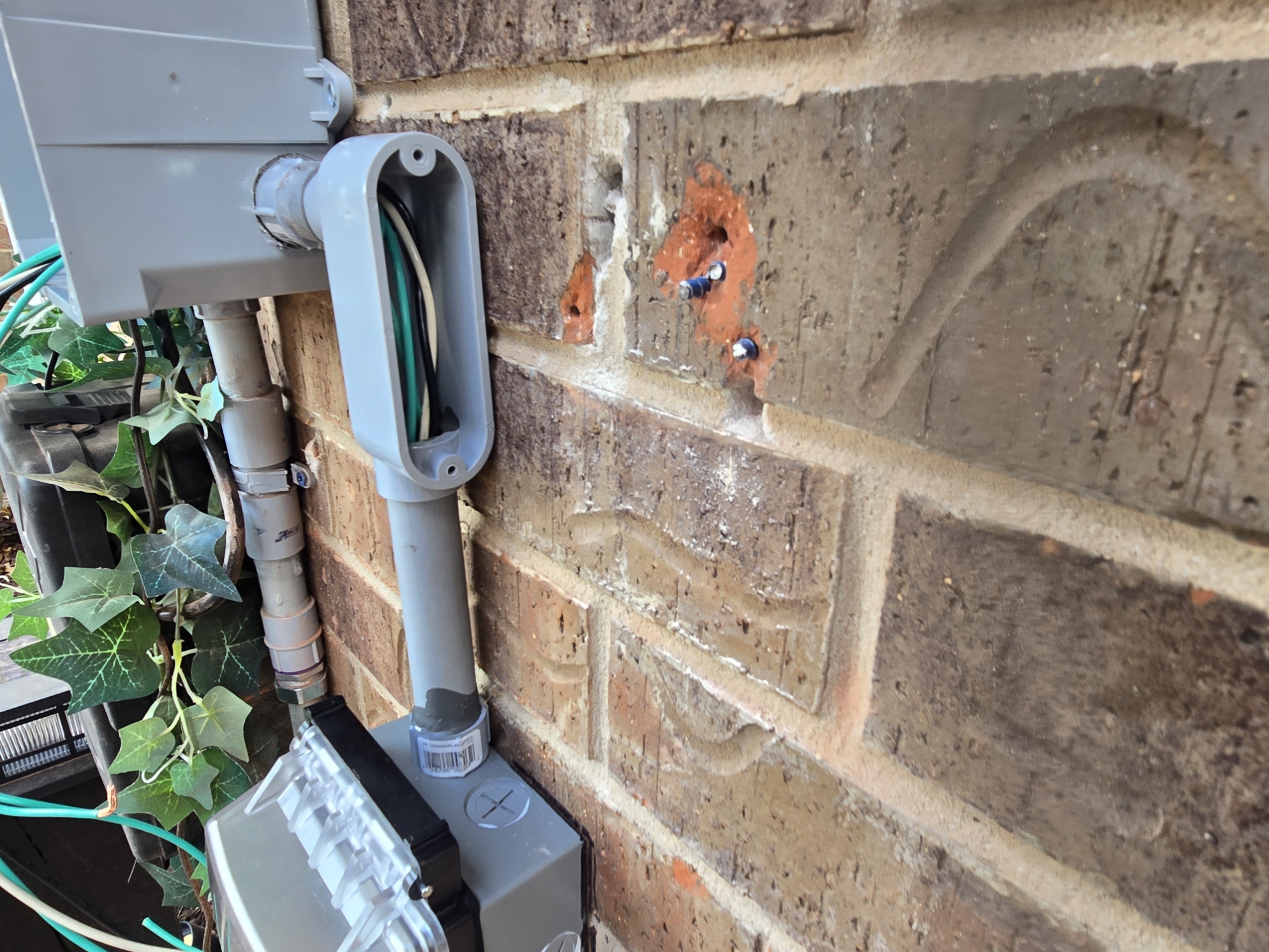
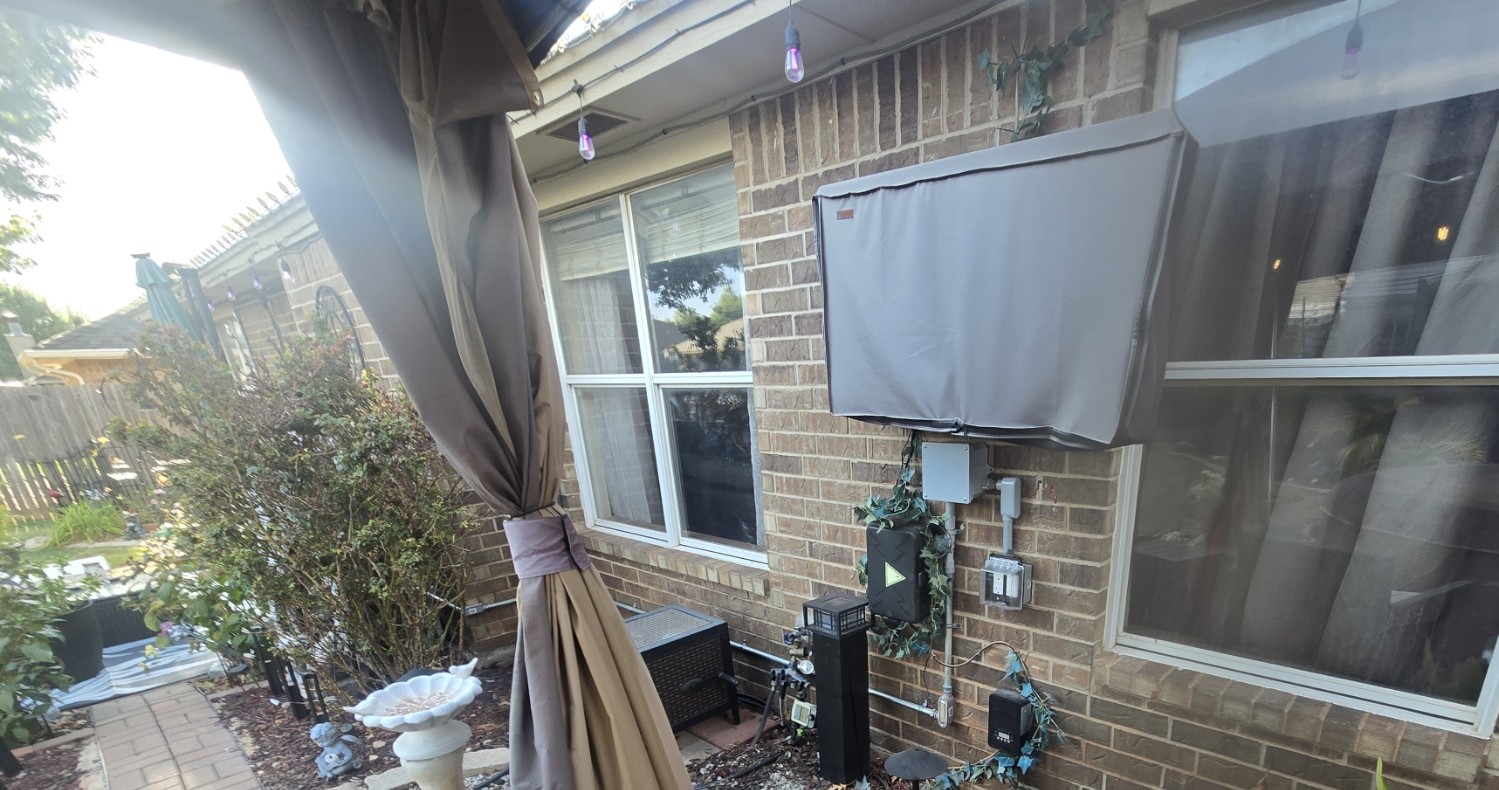
I have learned some of that firsthand while building electrical infrastructure on my own property. I am not a licensed electrician, I do not sell electrical services, and I do not present this work as a professional client installation.
What the experience gives me is perspective. The workmanship a customer eventually sees represents decisions, constraints, corrections, and care they may never know happened. My job as the marketer is to help your website reveal that expertise.
Work in progress. Exterior boxes, conduit, and layout before the later-stage assembly.
Later-stage context. The visible wall run and receptacle assembly in place on the same owner-built project.
You know the electrical work. I know how to turn that expertise into something Google and prospective customers can understand.
04 / PROJECT PROOF
The Finished Installation Is Only the Last Photograph
A finished outlet, panel, lighting upgrade, or service change may look simple in a photograph. The valuable content is often the story around it: what problem existed, what was changed, what constraints mattered, and what the customer gained.
That is information a stock photograph cannot provide. Real project content can support the service page, internal links, reviews, Google Business Profile updates, and future sales conversations at the same time.
01 / PROBLEM
What was wrong?
Give the customer a reason the project existed. A useful project page begins with the problem, not a victory lap.
02 / CONSTRAINT
What made it difficult?
Access, age, layout, service conditions, schedule, property use, and other constraints make real projects specific.
03 / WORK
What changed?
Explain the work at a customer-readable level and use real photos instead of generic stock imagery.
04 / OUTCOME
What did the customer gain?
Close the loop with the practical result, proof, and a logical path to the related service page.
05 / SERVICE ARCHITECTURE
Residential and Commercial Buyers Need Different Paths
The exact page structure depends on the electrical business. A residential service company should not copy the website architecture of a commercial contractor simply because both use the word electrician.
Web design should make those buying paths easier to understand while the SEO structure gives important services enough depth to compete on their own.
RESIDENTIAL
Homeowners Search by the Problem in Front of Them
Common page opportunities can include panel upgrades, electrical repairs, ceiling fans, generators, surge protection, EV chargers, rewiring, lighting, and other services the contractor genuinely prioritizes.
The page should answer the homeowner’s questions without burying the phone number or turning every paragraph into electrical jargon.
COMMERCIAL
Business Buyers Need Capability and a Clear Contact Path
Commercial service pages may need to cover tenant build-outs, lighting, service upgrades, maintenance, new construction support, troubleshooting, and the real geographic area the company serves.
The buyer should be able to judge fit quickly, see proof, and reach the right person without passing through a generic consumer funnel.
06 / KANSAS MARKETS
Wichita Is Not Hays. Manhattan Is Not Garden City.
Market size, competition, service radius, residential and commercial mix, surrounding towns, and real business priorities should change the strategy. A city name by itself is not enough reason to publish another page.
WICHITA
Larger Search Surface
Wichita can support deeper service coverage and stronger competition across residential, commercial, and trade searches. See Wichita.
HUTCHINSON
Trade-Focused Fit
Reno County has a practical service-business market where project proof and service-area clarity matter. See Hutchinson.
MANHATTAN
Regional Service Radius
Manhattan businesses can serve Riley County, nearby communities, and the Fort Riley corridor with different search needs. See Manhattan.
TOPEKA
Mixed Buyer Types
Professional, government-adjacent, residential, and trade demand create different site and trust requirements.
SALINA
Regional Reach
Businesses often operate beyond the city line, so coverage and proof have to travel farther than local reputation.
HAYS + WESTERN KANSAS
Distance Changes the Proof
Wider service territories make logistics, capability, and regional trust more important before the customer calls.
A Kansas electrician does not need a hundred nearly identical location pages.
The markets worth targeting should be chosen deliberately and built with enough local substance to justify the URL. The Kansas web design and SEO hub holds the broader market structure.
07 / WEBSITE DIAGNOSTIC
What I Would Fix First on an Electrician Website
The first recommendation is not automatically a rebuild. I would rather identify the biggest leak in the current site, fix the highest-value problem, and preserve useful search history when it still has value.
01
Weak Service Architecture
Everything is dumped onto one Services page, so profitable work has nowhere strong to rank or convert.
02
Generic City Pages
The town name changes but the substance does not. That creates volume without useful local information.
03
Stock-Photo Overload
The site talks about craftsmanship but shows no actual project evidence a customer can judge.
04
Buried Phone Number
A customer with an urgent electrical problem should not have to hunt for the next step on a phone.
05
No Trust Architecture
Licensing, experience, reviews, project proof, and service details are scattered or absent.
06
Blogs Detached From Money Pages
Content exists, but it does not support the services, internal links, or customer decisions that matter.
Rankings Matter. Traffic Matters. The Next Step Matters More.
Neither rankings nor traffic pays an electrician unless the right person takes the next step. I look at visibility because it matters, but the website still has to turn that visibility into calls, forms, estimate requests, and real conversations.
No invented lead numbers. No promise that a ranking position automatically becomes revenue. The useful question is whether the site is producing better opportunities for the business.
CALLS
Qualified Calls
The right person reaches the business.
FORMS
Estimate Requests
The form asks for useful information without becoming homework.
AREA
Service-Area Leads
Inquiries come from places the company actually wants to serve.
BOOKED
Booked Estimates
The website helps move a good prospect toward a real sales conversation.
GBP
Profile Actions
Calls, direction requests, and website visits connect local visibility to action.
09 / WHY WORK WITH ME
Marketing Should Be Curious Enough to Understand the Work
An electrician does not need a marketer to pretend to be an electrician. The business needs someone who can learn what matters, organize the expertise, build useful search paths, and stay accountable after publication.
DIRECT
Work With Me
No account-manager carousel. The person discussing the strategy is the person responsible for the work.
KANSAS
Market by Market
I build the Kansas presence around real differences between markets instead of cloning a statewide template.
CONTENT
Original Pages
Service pages and supporting content are written around the business, the customer, and real source material.
CURIOSITY
Understand the Work
I ask enough questions to learn how the business operates instead of reducing the trade to a keyword list.
ONGOING
Stay After Launch
Websites need maintenance, publishing, Search Console review, internal-link work, and corrections after the visible build is done.
NO PACKAGES
Scope Follows the Problem
I do not start with a package name and work backward. The recommendation should follow the evidence.
FREQUENTLY ASKED QUESTIONS
Questions Kansas Electrical Contractors Ask Before the First Conversation
The right structure depends on the services, market, competition, and business model. These are the questions worth settling before a page-building spree begins.
01
Do electricians need separate pages for every service?
No. Important services deserve their own pages when the business genuinely offers them, prioritizes them, and the customer intent is distinct enough to justify the page. More URLs are not automatically better.
02
Should an electrical contractor target every nearby city?
No. A city page should exist because the market, competition, service radius, or customer questions are meaningfully different. I would rather build fewer strong market pages than a large network of name-swapped copies.
03
Does Google Business Profile matter more than the website?
They work together. The profile can drive local visibility and actions, while the website gives Google and customers deeper information about services, proof, geography, and the business behind the listing.
04
How important are reviews for electrician SEO?
Reviews are an important trust and local-search signal, but they are one part of the system. Service depth, profile accuracy, project proof, internal links, technical health, and local relevance still matter.
05
Should electricians publish project photos?
Yes, when the photos are real and useful. The strongest project content explains the problem, constraints, work, and outcome instead of posting an unlabeled finished picture and expecting the customer to infer the value.
06
Can an existing electrician website be improved without rebuilding it?
Often. A site may need stronger service pages, better internal links, clearer calls to action, improved mobile presentation, repaired indexing, or stronger proof. A rebuild should be recommended only when the current structure cannot support the work.
07
How long does local SEO take for an electrical contractor?
There is no honest fixed timeline. Competition, site history, reviews, links, technical condition, market demand, and the work already completed all affect how quickly visibility changes. I measure what is happening and make the next decision from evidence.
KANSAS ELECTRICAL CONTRACTORS
Web Design and SEO Built Around Your Electrical Business
You know your trade. I will learn your business, understand the work you want more of, and build the search and website structure around it.
No guaranteed ranking. No fictional Kansas office. No electrician case study invented to make the pitch stronger. Just a direct look at the site, the market, the services, and the first change worth making.
Search performance varies with competition, website history, reviews, links, technical condition, content quality, market demand, and continued work. No ranking, lead, or revenue result is guaranteed. The goal is to make decisions from evidence and build a website that fits the electrical business it represents.